%20copy%202_edited.jpg)


10 Tips for a Healthy Christmas Feast
- artcaketect
- Nov 28, 2025
- 3 min read

The holiday season often brings a feast filled with rich, indulgent foods that can leave many feeling sluggish or guilty afterward. But enjoying Christmas doesn’t mean you have to sacrifice your health or well-being. With a few thoughtful choices, you can create a festive meal that satisfies your taste buds and supports your body. Here are 10 practical tips to help you enjoy a healthy Christmas feast without missing out on the joy of the season.
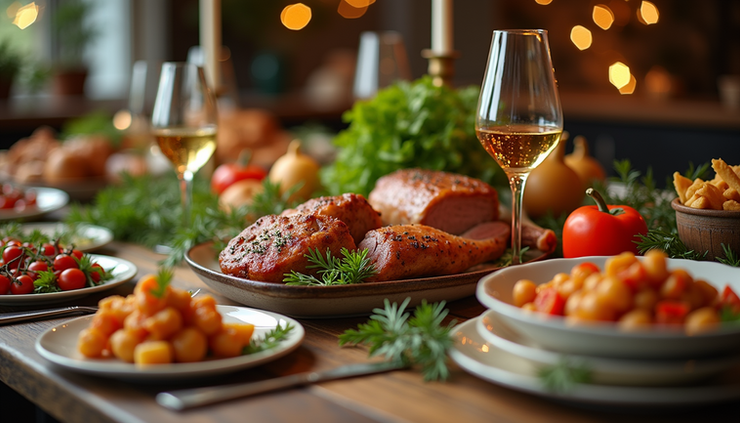
1. Plan Your Menu Around Whole Foods
Start by focusing your menu on whole, minimally processed foods. Fresh vegetables, fruits, lean proteins, and whole grains provide essential nutrients and fiber that keep you full and energized. For example, roast turkey or chicken without the skin offers a lean protein source, while sides like roasted Brussels sprouts, carrots, and sweet potatoes add vitamins and antioxidants.
Avoid heavily processed items like pre-packaged stuffing or creamy casseroles that often contain excess salt, sugar, and unhealthy fats. Instead, make your own versions using wholesome ingredients.
2. Control Portion Sizes this Christmas
Holiday meals can tempt you to overeat, especially when there are many dishes to try. Use smaller plates to help control portions and avoid piling on large servings. Aim to fill half your plate with vegetables, one quarter with lean protein, and the remaining quarter with whole grains or starchy vegetables.
Eating slowly and savoring each bite also helps your brain register fullness, reducing the chance of overeating.
3. Choose Healthier Cooking Methods this Christmas
How you prepare your food makes a big difference. Roasting, grilling, steaming, or baking are healthier options that preserve nutrients and reduce added fats. For example, roasting vegetables with a drizzle of olive oil and herbs enhances flavor without excess calories.
Avoid deep-frying or heavy cream sauces. Instead, try lighter alternatives like yogurt-based dressings or homemade gravies made with broth and herbs.
4. Include Plenty of Fiber-Rich Foods
Fiber supports digestion and helps maintain steady blood sugar levels. Incorporate fiber-rich foods such as whole grain breads, brown rice, quinoa, and legumes into your meal. Vegetables like broccoli, cauliflower, and leafy greens also add fiber and volume, helping you feel satisfied with less food.
For dessert, consider fresh fruit or a fruit salad instead of sugary cakes or pies.
5. Limit Added Sugars and Refined Carbs
Traditional Christmas treats often contain high amounts of sugar and refined carbohydrates, which can cause energy crashes and contribute to weight gain. Try to limit sweets and baked goods, or enjoy them in moderation.
If you want to bake, experiment with recipes that use natural sweeteners like honey or maple syrup and whole grain flours. Adding nuts or spices like cinnamon can boost flavor without extra sugar.
6. Stay Hydrated with Water and Herbal Teas
Drinking enough water during the festivities helps digestion and prevents overeating, as thirst can sometimes be mistaken for hunger. Keep a jug of water or infused water with citrus and herbs on the table.
Herbal teas such as peppermint or ginger can aid digestion and provide a warm, comforting drink without calories.
7. Balance Alcohol Intake
Alcohol is common at Christmas celebrations but can add empty calories and disrupt your metabolism. If you choose to drink, do so in moderation and alternate alcoholic beverages with water or herbal tea.
Opt for lower-calorie options like dry wine or spirits mixed with soda water instead of sugary cocktails.
8. Add Colorful Vegetables to Every Plate
A colorful plate is often a healthy plate. Vegetables like red peppers, carrots, green beans, and beets not only brighten your meal but also provide a range of vitamins, minerals, and antioxidants.
Try roasting a medley of vegetables with herbs or serving a fresh salad with a light vinaigrette to complement your main dishes.
9. Prepare Healthy Snacks for Before and After the Meal
Avoid arriving at the feast overly hungry, which can lead to overeating. Have a small, balanced snack beforehand, such as a handful of nuts or a piece of fruit with cheese.
After the meal, if you feel the need for a snack, choose something light and nutritious like vegetable sticks with hummus or a small bowl of berries.
10. Focus on Enjoying the Moment and Company
Finally, remember that Christmas is about more than just food. Enjoy the company of family and friends, engage in conversations, and take time to appreciate the festive atmosphere. Eating mindfully and savoring your meal can improve digestion and satisfaction, helping you avoid overeating.


Comments